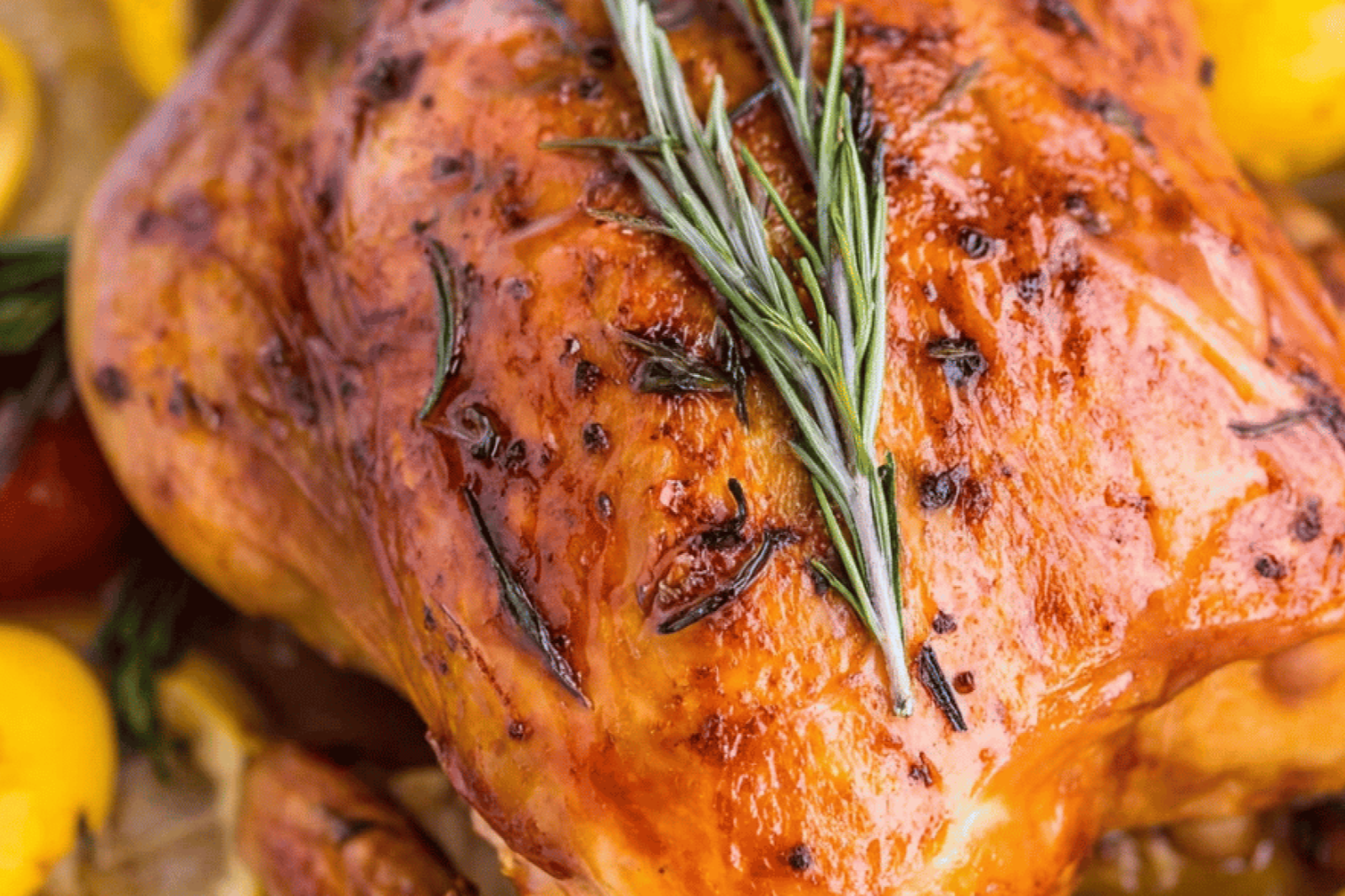
Juicy Chicken Brine Recipe: Never Fail with Exact Ratios
You know that moment when you bite into a piece of chicken and it’s so incredibly juicy, so perfectly seasoned, that it practically melts in your mouth? That’s the magic of a great chicken brine recipe. For years, I wrestled with dry, flavorless chicken, much to the chagrin of my dinner guests. But then I discovered the transformative power of brining, and my cooking changed forever. This simple act of soaking poultry in a seasoned salt solution is your ticket to consistently moist, tender, and flavorful chicken, whether you’re roasting, grilling, or frying.
This comprehensive guide will arm you with an exact chicken brine recipe, precise timings, and expert tips to ensure your poultry is always the star of the show. Say goodbye to guesswork and hello to succulent results, every single time.
The Science of Succulence: Why a Wet Brine Works Wonders
Brining might sound fancy, but it's a straightforward culinary technique rooted in simple science. When chicken is submerged in a salt solution (a wet brine), two key processes occur that guarantee a superior final product:
- Moisture Retention: Salt plays a crucial role in altering the protein structure of the chicken. It helps to denature the muscle fibers, causing them to loosen and unwind. This allows the fibers to absorb more water from the brine and, critically, traps that water within the meat during cooking. Even lean cuts like chicken breasts, notorious for drying out, emerge incredibly moist after a proper brine.
- Flavor Infusion: Beyond just moisture, the salt in the brine also penetrates deep into the meat, seasoning it from the inside out. Unlike simply sprinkling salt on the surface, brining ensures every bite is uniformly flavorful. Any added sugars and aromatics in your chicken brine recipe will also subtly infuse the meat, adding layers of deliciousness that surface seasoning alone can't achieve.
While dry brining (salting the chicken directly and allowing it to rest) is another effective method, this article focuses on the unparalleled moisture-boosting capabilities of a wet chicken brine recipe. For an even deeper dive into how this method transforms your poultry, check out our detailed guide on Stop Dry Chicken: The Ultimate Wet Brine for Moist Meat.
Your Go-To Chicken Brine Recipe: Precision for Perfect Flavor
The foundation of any great brine is the correct salt-to-water ratio. Too little salt, and you won't get the desired effect; too much, and your chicken will be overly salty. This base formula is designed to be scalable and consistently deliver ideal results, hitting that sweet spot of flavor without overwhelming the meat.
We provide measurements by weight for ultimate accuracy, as salt density varies by type. Volume measures are included for convenience.
Basic Wet Chicken Brine Recipe Ingredients:
- Water: 1 liter (approximately 4 cups)
- Kosher Salt: 50–60 grams (about 3–4 tbsp Diamond Crystal brand; 2.5–3 tbsp Morton kosher salt)
- Granulated Sugar (Optional, but Recommended): 15–25 grams (1–2 tbsp). Sugar helps balance the saltiness and promotes better browning on the skin.
- Aromatics (Optional, for flavor depth):
- 2–3 bay leaves
- 6–8 whole black peppercorns
- 2 smashed garlic cloves
- Strips of citrus peel (lemon, orange)
- A few sprigs of fresh herbs (rosemary, thyme, sage)
Ratio Notes: This recipe targets a 5–6% salt solution by weight. This means for every 1000 grams (1 liter) of water, you’re using 50–60 grams of salt. If you need more or less brine, simply maintain this percentage. For example, for 2 liters of water, double your salt and sugar. If using regular table salt, which is much denser and tastes saltier, start at the lower end of the salt range (around 40-45g per liter) and consider a shorter brining time to avoid over-salting.
Master Brine Ratios & Timing for Every Cut
The ideal brining time and strength depend heavily on the size and thickness of the chicken cut. Shorter soaks work best with a 6% brine, while larger cuts benefit from a slightly weaker 5% solution over a longer period. The goal is to allow sufficient penetration without making the meat too salty. Here’s a general guideline:
| Chicken Cut | Recommended Brine Strength | Approximate Brining Time |
|---|---|---|
| Whole Chicken (1.3–2 kg / 3-4.5 lbs) | 5% | 8–12 hours |
| Spatchcock Whole Chicken | 5–6% | 6–10 hours |
| Bone-in Thighs | 5–6% | 2–6 hours |
| Drumsticks | 5–6% | 2–4 hours |
| Boneless Breasts | 5–6% | 1–2 hours |
| Wings | 6% | 1–2 hours |
| Leg Quarters | 5–6% | 3–6 hours |
Expert Tip: Always err on the side of caution with brining times. Over-brining, especially smaller cuts, can lead to chicken that's too salty or develops a slightly "cured" texture. For a deeper dive into adjusting ratios and times for perfect poultry, explore our article on Mastering Chicken Brine: Ratios & Timing for Perfect Poultry.
Step-by-Step: Crafting Your Chicken Brine for Unrivaled Juiciness
1. Dissolve the Salt and Sugar Thoroughly
To ensure your chicken brine recipe is perfectly uniform, you need to dissolve the salt and sugar completely. Warm a small portion (about 1 cup) of your total water volume in a saucepan. Add the salt and sugar (if using) and stir continuously until no granules remain visible. This hot liquid helps speed up dissolution without heating the entire batch of water.
2. Chill the Brine Fully and Rapidly
This step is critical for food safety! Never place raw chicken into a lukewarm brine. Once your salt and sugar are dissolved, add the remaining cold water to the saucepan. For an even quicker chill, add a few handfuls of ice cubes directly to the solution. Stir until the ice melts and the entire brine is fridge-cold (ideally below 40°F / 4°C). You can also transfer the brine to a non-reactive container (glass, food-grade plastic, or stainless steel) and refrigerate it until thoroughly chilled.
3. Submerge the Chicken Completely
Carefully place your chicken (or chicken cuts) into the chilled brine. Ensure the chicken is fully submerged in the liquid. If it floats, place a small, clean plate or a food-safe weight on top to keep it under. Cover the container and transfer it to the refrigerator for the recommended brining time (refer to the table above). Always brine in the refrigerator, never at room temperature.
4. Rinse (Optional) and Pat Very Dry
After the brining period, remove the chicken from the brine and discard the used solution. If you used a 6% brine strength or brined for the longer end of the time spectrum, a quick rinse under cold running water can help remove any excess surface salt. However, the most important part of this step is to pat the chicken absolutely bone-dry with paper towels. Dry skin is essential for achieving a crispy, golden-brown exterior during cooking.
5. Rest Uncovered in the Fridge (Optional, but Highly Recommended)
For an even crispier skin and deeper color, consider an extra step: place the brined and dried chicken on a wire rack set over a baking sheet and refrigerate it uncovered for 1 to 12 hours. This air-drying process further dehydrates the skin, leading to a superior texture when cooked. It's a small effort for a significant payoff in crispiness!
Beyond the Basics: Elevating Your Chicken Brine Recipe
Once you've mastered the basic chicken brine recipe, feel free to experiment with additional flavor boosters. Here are some ideas:
- Spices: Whole spices like coriander seeds, mustard seeds, star anise, or cinnamon sticks can add exotic notes.
- Citrus: Beyond just peels, you can add thin slices of lemon, lime, or orange directly to the brine for a brighter flavor profile.
- Heat: A few dried chili peppers or a pinch of red pepper flakes can introduce a subtle warmth.
- Sweet & Savory: Experiment with brown sugar, maple syrup, or even a splash of apple cider for a more complex sweet-savory balance.
- Beer or Wine: Substitute a portion of the water with beer, white wine, or apple cider for unique flavor dimensions, especially good for roasted or grilled chicken.
Remember, the goal is to enhance, not overpower, the natural taste of the chicken. Start with small additions and adjust to your preference.
Conclusion: The End of Dry Chicken, Forever
Adopting this reliable chicken brine recipe will revolutionize the way you cook poultry. No longer will you dread the prospect of dry chicken; instead, you’ll look forward to serving consistently tender, moist, and flavorful meals that impress every time. With exact ratios, clear timings, and a few simple steps, you have all the tools you need to become a brining expert. So, grab your salt and water, and prepare to unlock the secret to truly succulent chicken. Your taste buds (and your dinner guests) will thank you!
